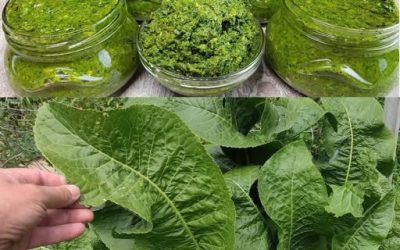
More than 200 people die each year from the "world's most dangerous food," but nearly 500 million still consume it.
December 10, 2025 by the administrator
Every year, more than 200 people die after consuming what is known as "the world's deadliest food," but nearly 500 million continue to consume it.
There are many foods that quickly satisfy hunger, but they aren't on everyone's plate every night. So, what is this deadly food that's widely consumed around the world?
Cassava, a staple food for many, plays an important role in the diets of millions of people worldwide. It is consumed by over 500 million people each year, and hundreds of millions of tons of cassava are cultivated globally.
Native to South America, cassava is a well-known plant and food, but it also presents significant risks. Its stems, bark, and leaves are toxic and can produce hydrogen cyanide, which can be fatal if consumed improperly. The World Health Organization (WHO) reports that approximately 200 people die each year after consuming improperly prepared cassava, earning it the grim title of “the world’s deadliest food.”
The WHO explains: “Cassava tubers contain varying amounts of cyanogenic glycosides, which serve as a defense against animals and insects. When these glycosides are not properly metabolized, cassava can release cyanide, resulting in high dietary exposure to this substance.”
This type of hazardous exposure is particularly common during times of famine and war. Cyanide poisoning from cassava is linked to several serious illnesses, such as konzo.
Konzo is a debilitating and irreversible disease characterized by sudden paralysis of the legs, often caused by the consumption of bitter cassava, especially when combined with a low-protein diet. This disease is more common in areas affected by extreme poverty, where it can occur sporadically or in epidemics.
Despite its reputation as a deadly plant, millions of people continue to consume it daily without problems. This raises an important question: how can we ensure that cassava is safe for consumption?
The key lies in proper preparation. Ensuring the safety of cassava involves a lengthy process, which includes soaking the plant for up to 24 hours to eliminate harmful toxins.
Continued on the next page
For Complete Cooking STEPS Please Head On Over To Next Page Or Open button (>) and don’t forget to SHARE with your Facebook friends.