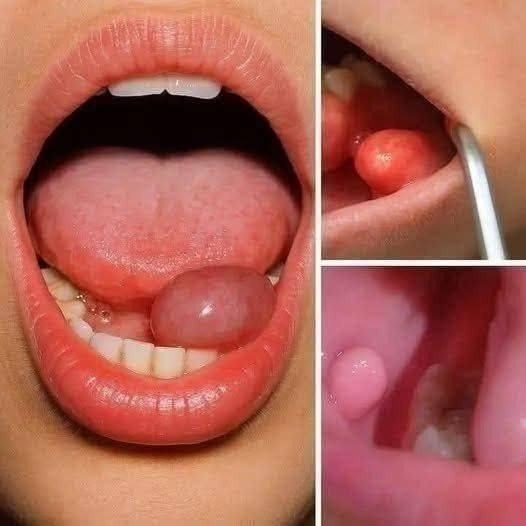
- Tobacco use : Smoking cigarettes, cigars, or smokeless tobacco significantly increases the risk of developing oral cancer. Approximately 80% of all oral cancer cases are related to tobacco use.
- Excessive alcohol consumption : Consuming large amounts of alcohol increases the risk, especially in combination with tobacco use.
- Human papillomavirus (HPV) : Certain strains of the HPV virus, especially HPV-16, are associated with an increased risk of oral cancer.
- Malnutrition : A diet lacking essential vitamins and nutrients, especially fruits and vegetables, can increase susceptibility to oral cancer.
- Age : Oral cancer is more common in older adults, especially those over 50 years of age.
- Family history : A family history of cancer can increase the likelihood of developing oral cancer.
Stages of oral cancer
Oral cancer progresses through stages that help determine the extent of the disease and guide treatment decisions. These stages include:
- Stage 1 : The tumor measures less than 1 inch and has not spread to nearby lymph nodes.
- Stage 2 : The tumor grows to a size between 1 and 2 inches, but remains localized and does not spread to the lymph nodes.
- Stage 3 : The tumor is larger than 2 inches and may have spread to nearby lymph nodes, but not to other parts of the body.
- Stage 4 : This is the most advanced stage, in which the cancer has spread to surrounding tissue or other parts of the body, including distant organs.
The stage of the cancer helps in determining the appropriate treatment options and also gives an idea of the prognosis.

Treatment of oral cancer
Oral cancer can be treated with a combination of surgery, radiation therapy, and chemotherapy. The choice of treatment depends on the size, location, and stage of the tumor.
- Surgery : In the early stages, surgery is the primary treatment method. The tumor is surgically removed and the affected area of the mouth is reconstructed. In advanced stages, surgery may require the removal of larger parts of the mouth or jaw.
- Radiation therapy : Radiation therapy uses high-energy radiation to attack and destroy cancer cells. This treatment can be used after surgery to eliminate any remaining cancer cells or to treat tumors that cannot be surgically removed.
- Chemotherapy : Chemotherapy uses cancer drugs to kill cancer cells throughout the body. It is often combined with radiation therapy, especially in advanced cases, to increase the effectiveness of the treatment.
- Targeted therapy : This treatment focuses on specific molecules involved in the growth of cancer cells and helps to stop the growth and spread of the tumor.
In many cases, a combination of these treatments is used to achieve the best result.
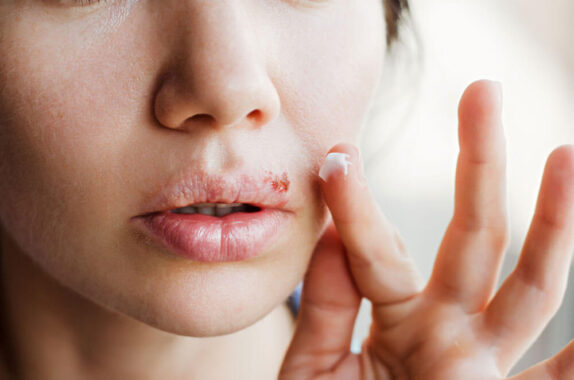
Prevention and early detection
While certain risk factors for oral cancer, such as genetic predisposition or age, are beyond an individual's control, a healthy lifestyle can reduce the risk. The following measures are important for preventing oral cancer:
- Quitting smoking and avoiding tobacco products : This is the most important preventive measure.
- Limit alcohol consumption : Reducing alcohol consumption can help lower the risk of oral cancer.
- Pay attention to a balanced diet : A diet rich in fruits and vegetables can help reduce the risk of oral cancer.
- Regular dental check-ups : Regular visits to the dentist to examine the oral cavity can help detect early signs of oral cancer.
- HPV vaccination : The HPV vaccination can help prevent certain strains of the virus that increase the risk of oral cancer.
Diploma
Oral cancer is a serious but treatable disease if detected early. The risk can be significantly reduced through appropriate lifestyle changes, regular check-ups, and preventative measures. If symptoms such as persistent sores, pain, or changes in the oral cavity occur, it is important to consult a doctor immediately.
By maintaining good oral health, avoiding excessive tobacco and alcohol consumption, and eating a balanced diet, people can actively reduce their risk of developing oral cancer. Regular checkups with a doctor and dentist are crucial for early detection and effective treatment.